
Rebuilding Libya: Infrastructure and Recovery Post-Conflict
Introduction
Libya has faced significant challenges in recent years, marked by conflict and instability. As the nation looks towards a brighter future, the rebuilding of its infrastructure is a crucial step in its recovery. A robust infrastructure is essential for economic growth, social development, and overall stability.
The journey to recovery is complex and requires a strategic approach that addresses both immediate needs and long-term goals. Stakeholders from various sectors must collaborate to ensure that the rebuilding process is sustainable and effective.
Current State of Infrastructure
Libya's infrastructure has suffered extensive damage due to prolonged conflict, impacting roads, bridges, hospitals, and schools. The destruction has hindered essential services, making everyday life challenging for citizens. Restoring these facilities is paramount to improving living conditions and fostering economic opportunities.
Recent assessments highlight the urgent need for rehabilitation in urban areas, where population density demands efficient transport and reliable utilities. This provides a clear path for prioritizing projects that will have the most significant impact.
Transportation and Connectivity
Transportation infrastructure is critical for connecting communities and facilitating trade. Rebuilding roads and bridges will not only improve accessibility but also stimulate local economies by creating jobs and attracting investment. Modernizing airports and ports can further enhance Libya's potential as a regional hub.
Energy and Utilities
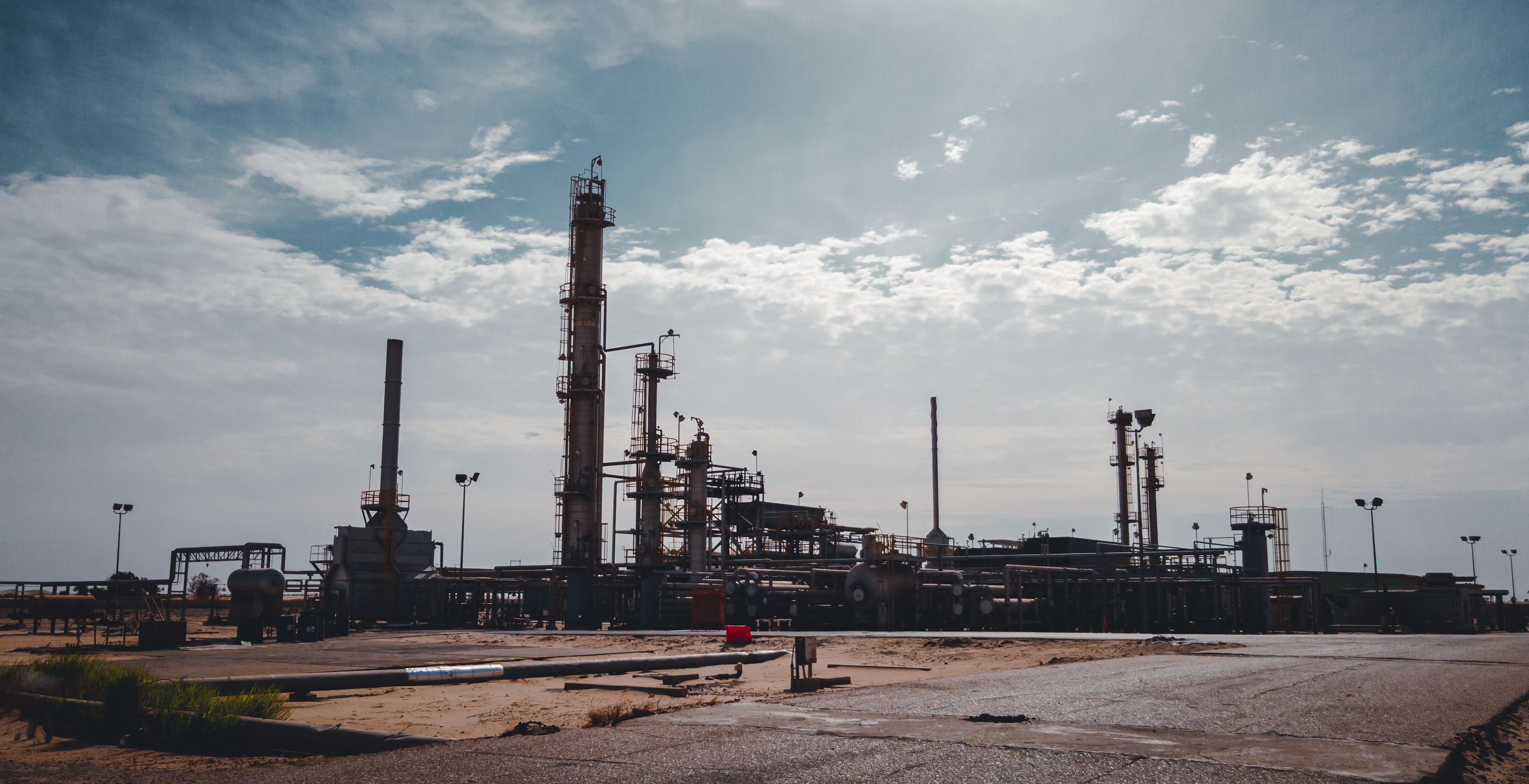
Reliable energy and utility services are the backbone of any thriving society. In Libya, rebuilding power plants and water treatment facilities is essential to support residential, commercial, and industrial needs. Renewable energy projects can play a significant role in this effort, promoting sustainability and reducing dependence on fossil fuels.
Investing in modern technology and infrastructure will pave the way for a more resilient energy sector. This includes exploring solar and wind energy solutions that align with global trends towards sustainability.
Healthcare and Education
The rebuilding of hospitals and schools is crucial for improving health outcomes and educational opportunities. Strengthening the healthcare system involves not only physical reconstruction but also addressing workforce shortages and ensuring adequate medical supplies.

For education, rebuilding schools and investing in teacher training can create a more robust educational framework that equips future generations with the skills they need to contribute to Libya's development.
Challenges and Opportunities
Rebuilding Libya's infrastructure presents both challenges and opportunities. Political instability and security concerns remain significant obstacles. However, these challenges can be mitigated through international cooperation and strategic planning.
- Engaging international partners for technical expertise and funding.
- Leveraging local knowledge and resources for sustainable solutions.
- Implementing transparency and accountability in project execution.
The Path Forward
The path to rebuilding Libya is a long-term commitment that requires the dedication of all stakeholders. By focusing on strategic infrastructure projects, Libya can lay a solid foundation for recovery and growth.
Emphasizing sustainability, innovation, and inclusivity will ensure that the rebuilding process not only addresses current challenges but also prepares Libya for a prosperous future.