
Rebuilding Syria: Strategies for Sustainable Development
Introduction
As Syria emerges from a decade of conflict, the focus shifts towards rebuilding the nation and fostering sustainable development. This complex process requires strategic planning and collaboration among various stakeholders, including the government, international organizations, and local communities. The aim is to not only restore infrastructure but also to ensure long-term economic and social stability.
Prioritizing Infrastructure Rehabilitation
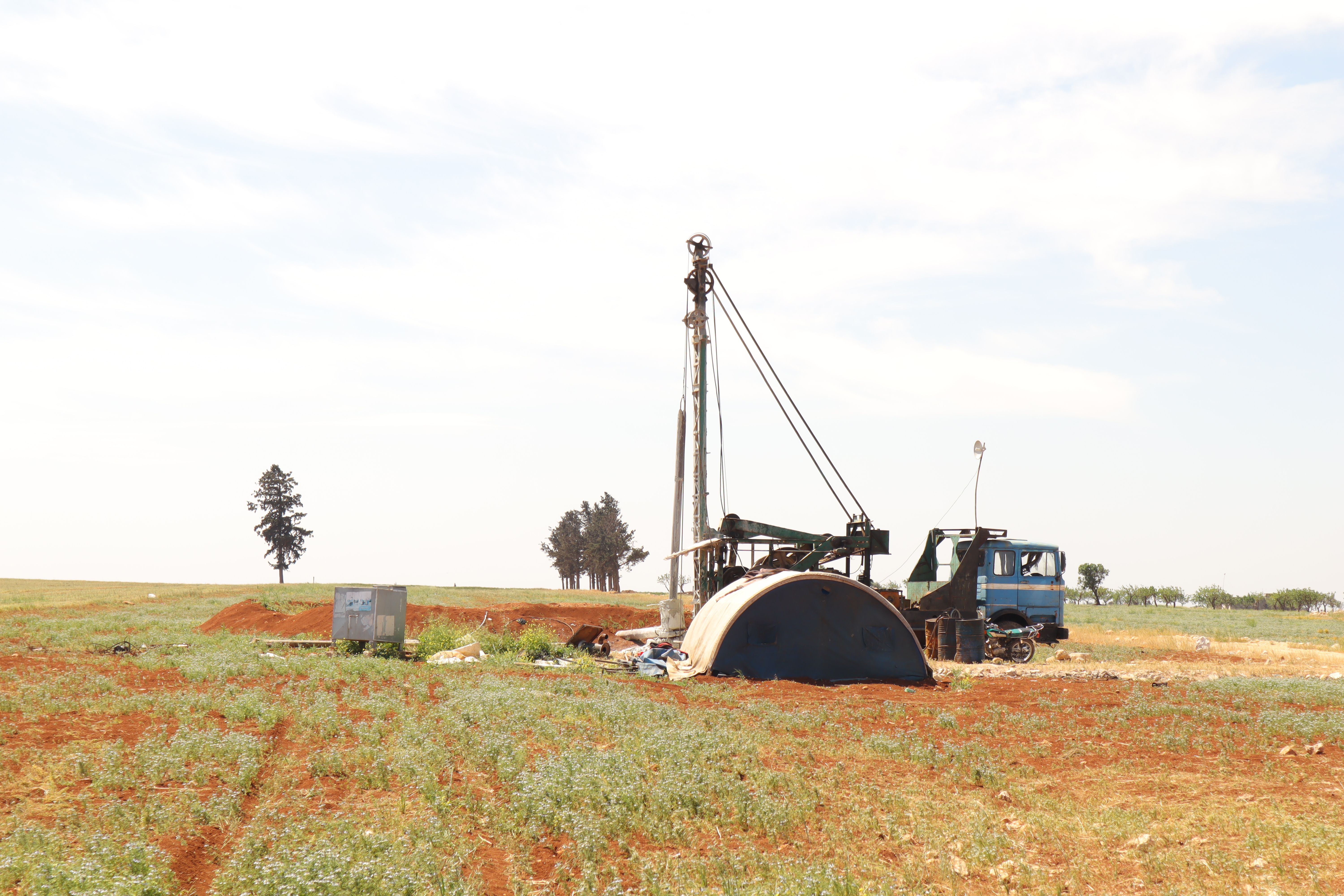
Rebuilding Syria's infrastructure is a critical first step. The war left many areas with damaged roads, schools, hospitals, and utilities. A strategic approach involves assessing the most urgent needs and deploying resources efficiently. Public-private partnerships can help in financing and implementing large-scale projects, ensuring that development is both rapid and effective.
Investments in technology and renewable energy can modernize infrastructure and promote sustainability. For example, solar and wind energy projects can provide reliable power sources while creating jobs and reducing dependency on traditional energy imports.
Economic Revitalization
Economic recovery is essential for sustainable development. Encouraging entrepreneurship and small businesses can stimulate local economies. Microfinance initiatives and vocational training programs can empower individuals, enabling them to contribute meaningfully to the economy.
International trade partnerships can also play a pivotal role. By opening markets and reducing trade barriers, Syria can attract foreign investments and boost its economy. Developing sectors like agriculture, manufacturing, and technology can provide diverse economic opportunities.
Social Cohesion and Community Building
Building a cohesive society is vital for sustainable development. Initiatives that promote social inclusion and reconciliation can help heal divisions. Community-based projects that involve local residents in decision-making processes foster a sense of ownership and responsibility.
Education is a cornerstone of development. Rebuilding schools and training educators ensures that the younger generation is equipped with the skills necessary for future challenges. Moreover, promoting gender equality and empowering women can have a profound impact on social and economic development.

Environmental Sustainability
Environmental considerations are crucial in the rebuilding process. Sustainable land management and conservation efforts help protect natural resources. Reforestation projects and sustainable agricultural practices can combat desertification and support biodiversity.
By integrating environmental strategies into development plans, Syria can create a resilient and sustainable future. These efforts not only address immediate needs but also safeguard resources for generations to come.
Conclusion
Rebuilding Syria is a multifaceted challenge that requires a comprehensive and collaborative approach. By focusing on infrastructure rehabilitation, economic revitalization, social cohesion, and environmental sustainability, Syria can pave the way for a prosperous future. The international community's support and the resilience of the Syrian people will be key to achieving lasting success.